

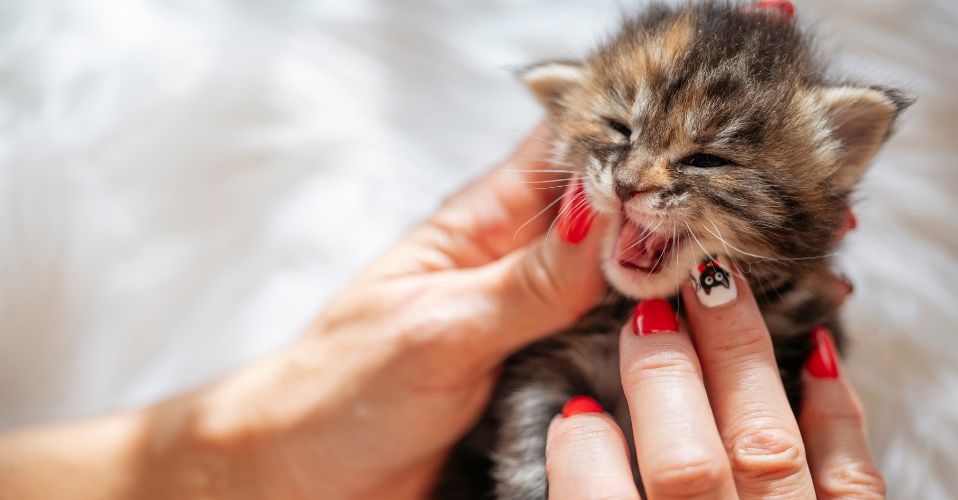
As a cat parent, one of the most exciting milestones you’ll experience with your kitten is the development of their teeth. Just like human babies, kittens go through a teething phase, where they grow and shed teeth as they transition from baby teeth to adult teeth.
Understanding this process is crucial for ensuring your kitten’s health and comfort. In this guide, we’ll walk you through the kitten teeth development process, explain a kitten teeth age chart, and give you the tools you need to care for your kitten’s dental health.
Understanding the kitten teeth age chart is essential not only to track their development but also to ensure they’re not experiencing discomfort or dental health problems. Just like humans, kittens require proper dental care to maintain good oral hygiene, which can have a significant impact on their overall well-being.
Kitten teeth, often referred to as milk teeth or deciduous teeth, are the first set of teeth kittens develop after birth. These teeth are temporary and will eventually be replaced by permanent adult teeth as the kitten matures.
Kittens are born without teeth, and within a few weeks, their baby teeth begin to emerge. These initial teeth serve the purpose of helping kittens eat solid food, explore their environment, and develop proper chewing habits. Over time, these baby teeth will fall out, and adult teeth will grow in their place. Proper care during this transition period is essential for avoiding complications such as misalignment, tooth decay, or gum disease.
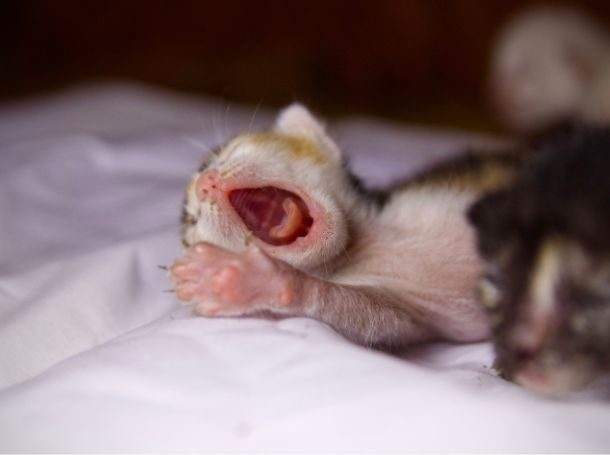
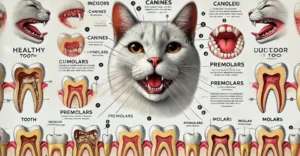
Here’s a detailed kitten teeth age chart that outlines when you can expect each of their teeth to emerge:
| Age (Weeks) | Teeth Development |
|---|---|
|
2-3 weeks |
Incisors (Tiny front teeth) begin to emerge. |
|
3-4 weeks |
Canines (fang-like teeth) start appearing. |
|
4-6 weeks |
Premolars (sharp, back teeth) come in. |
|
5-6 months |
Adult teeth begin to replace the baby teeth. |
|
6-8 months |
All permanent adult teeth should be fully in place. |
Around 2 to 3 weeks old, your kitten’s first teeth – the incisors – will start to appear. These are small, needle-like teeth that appear at the front of the mouth. They help the kitten start grasping food. During this phase, kittens typically begin to learn how to chew food more efficiently.
At about 3 to 4 weeks, the canine teeth (fangs) start to push through. These teeth are sharper than the incisors and will help your kitten tear food as they begin to transition to a more solid diet. These are also the teeth that cause kittens to experience more discomfort during the teething process.
As your kitten reaches 4 to 6 weeks old, the premolars (back teeth) emerge. These teeth are important for grinding food and assist in their early attempts at consuming more complex meals. During this stage, your kitten will likely be a bit more active with chewing behavior, exploring the world with their mouth.
At around 5 to 6 months, kittens will start to shed their baby teeth. This is the period when the permanent adult teeth (incisors, canines, and premolars) begin to grow.
By the time your kitten reaches 6 to 8 months, they should have a full set of adult teeth, including 30 teeth in total. The adult teeth will be larger, sharper, and better suited to the cat’s more grown-up diet. This is also when you’ll need to start considering regular teeth brushing and dental check-ups.
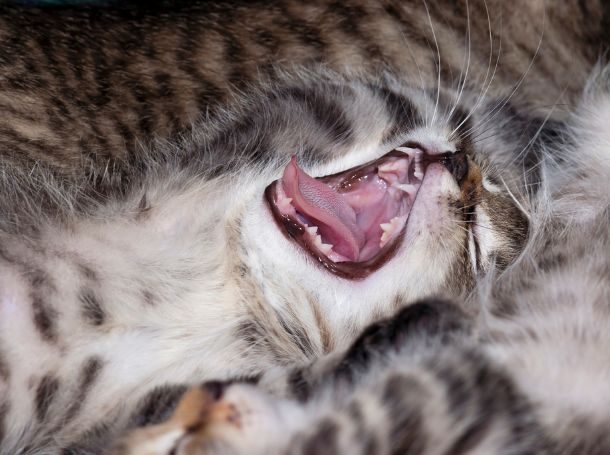
Just like human babies, kittens go through a teething process that can cause some discomfort. The symptoms can range from mild to severe, and being able to recognize these signs can help you manage your kitten’s discomfort more effectively.
Biting and Chewing: Kittens will chew on anything they can get their paws on. They may chew on furniture, shoes, or toys to relieve the discomfort of their growing teeth.
Increased Drooling: Kittens often drool more when they’re teething because the gums become sensitive and inflamed.
Irritability and Changes in Behavior: A teething kitten might become more irritable or exhibit signs of anxiety due to discomfort.
Swollen or Bleeding Gums: When permanent teeth begin to push through, you may notice mild swelling or even bleeding in your kitten’s gums.
Loss of Appetite: Some kittens may experience a temporary decrease in appetite during the teething phase because chewing becomes uncomfortable.
Teething can be an uncomfortable process for your kitten, but there are several ways you can help ease the discomfort.
Frozen Toys and Chews: Giving your kitten a cold or frozen teething toy can help numb the gums and alleviate discomfort.
Gentle Massage: Gently massaging your kitten’s gums with your fingers or a soft toothbrush can soothe the soreness.
Teething Treats: There are specially designed kitten teething treats available that help to clean their teeth while providing a satisfying chew.
Soft Food: If your kitten is having difficulty eating, consider switching to softer food during their teething phase to avoid irritating their gums further.
Just like humans, kittens need proper dental care to ensure healthy teeth throughout their lives. Here are some important tips for caring for your kitten’s teeth:
You can start brushing your kitten’s teeth as early as 8 weeks old, using a kitten-safe toothbrush and toothpaste. The earlier you start, the more accustomed they’ll become to the routine, which will set the stage for proper dental hygiene as they grow older.
Dental toys designed to reduce plaque and tartar buildup are great for helping maintain your kitten’s oral health. They help in cleaning the teeth as the kitten chews.
It’s crucial to take your kitten to the vet for regular dental checkups. A vet will be able to spot potential dental issues early and provide treatments if necessary.
As your kitten matures into an adult cat, professional cleanings at the vet’s office may be needed to remove plaque and tartar buildup.
Keep an eye on the progression of your kitten’s teeth. If your kitten’s baby teeth do not fall out as expected or if adult teeth seem to be growing in incorrectly, consult a vet. These could be signs of dental issues that need professional attention.
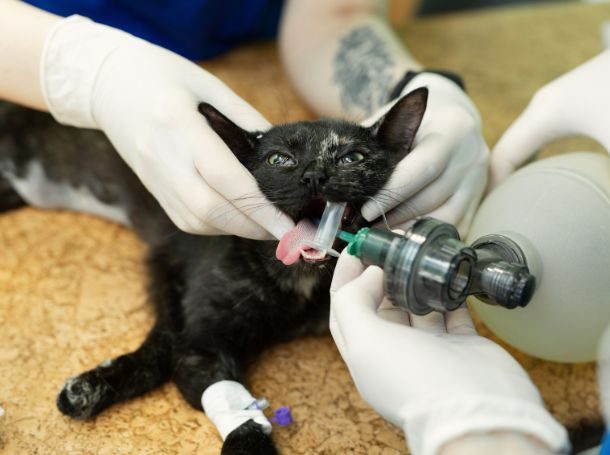
While kittens’ teeth are usually quite strong, they can still face dental problems, particularly during teething. Some common issues include:
Retained Baby Teeth: If a kitten’s baby teeth don’t fall out as expected, they may remain in place and cause overcrowding or misalignment of the adult teeth. A vet can remove these baby teeth if necessary.
Gum Disease: Just like adult cats, kittens can suffer from gum disease if their teeth aren’t cleaned properly. Regular brushing can help prevent this.
Tooth Misalignment: Misaligned teeth, or malocclusion, can cause discomfort and difficulty eating. This may require veterinary intervention to correct.
If your kitten is having significant trouble with teething or if you notice severe symptoms like excessive drooling, pain, or difficulty eating, it’s a good idea to consult a veterinarian. They can ensure there are no underlying dental issues and provide appropriate treatments.
By understanding the kitten teeth age chart and recognizing the signs of teething, you can provide your kitten with the care and attention they need during this crucial phase. Keep a close eye on their teeth development, soothe their discomfort with appropriate toys and treats, and ensure they receive regular veterinary care to ensure healthy teeth as they grow into adulthood.
Kittens begin to grow their first teeth around 2 to 3 weeks old. The first teeth to emerge are the incisors, followed by canines (fang-like teeth) and premolars at around 4 to 6 weeks old.
Kittens typically experience teething between 3 weeks and 6 months. During this time, they grow their baby teeth, lose them, and get their permanent adult teeth by around 6 to 8 months old.
Common signs of teething in kittens include:
Yes! You can ease your kitten’s teething discomfort by providing:
It’s best to start brushing your kitten’s teeth as early as 8 weeks old. Using a kitten-safe toothbrush and toothpaste, you can gradually introduce them to brushing to ensure they get used to it as they grow.
No, kitten teeth are smaller, sharper, and less durable than adult cat teeth. Kittens first have deciduous (baby) teeth that eventually fall out as the kitten matures, and permanent adult teeth replace them. Adult cats have a full set of 30 teeth, compared to a kitten’s 26 baby teeth.
Yes, it is normal for kittens to lose their baby teeth between 4 to 6 months of age as the permanent adult teeth begin to come in. This is a natural process and typically doesn’t require intervention unless there’s an issue with retained baby teeth.

The reviews on Pet and Food reflect the author’s opinions on pet food ingredients and composition. They are not veterinary advice. Please research further and consult a vet before making dietary changes. No pet food is perfect—Choose wisely for your pet’s health. If our reviews help, consider sharing or following us. Thank you!
Email: hello@petandfood.com
© 2025 Pets and Food. All Rights Reserved.

Leave a comment